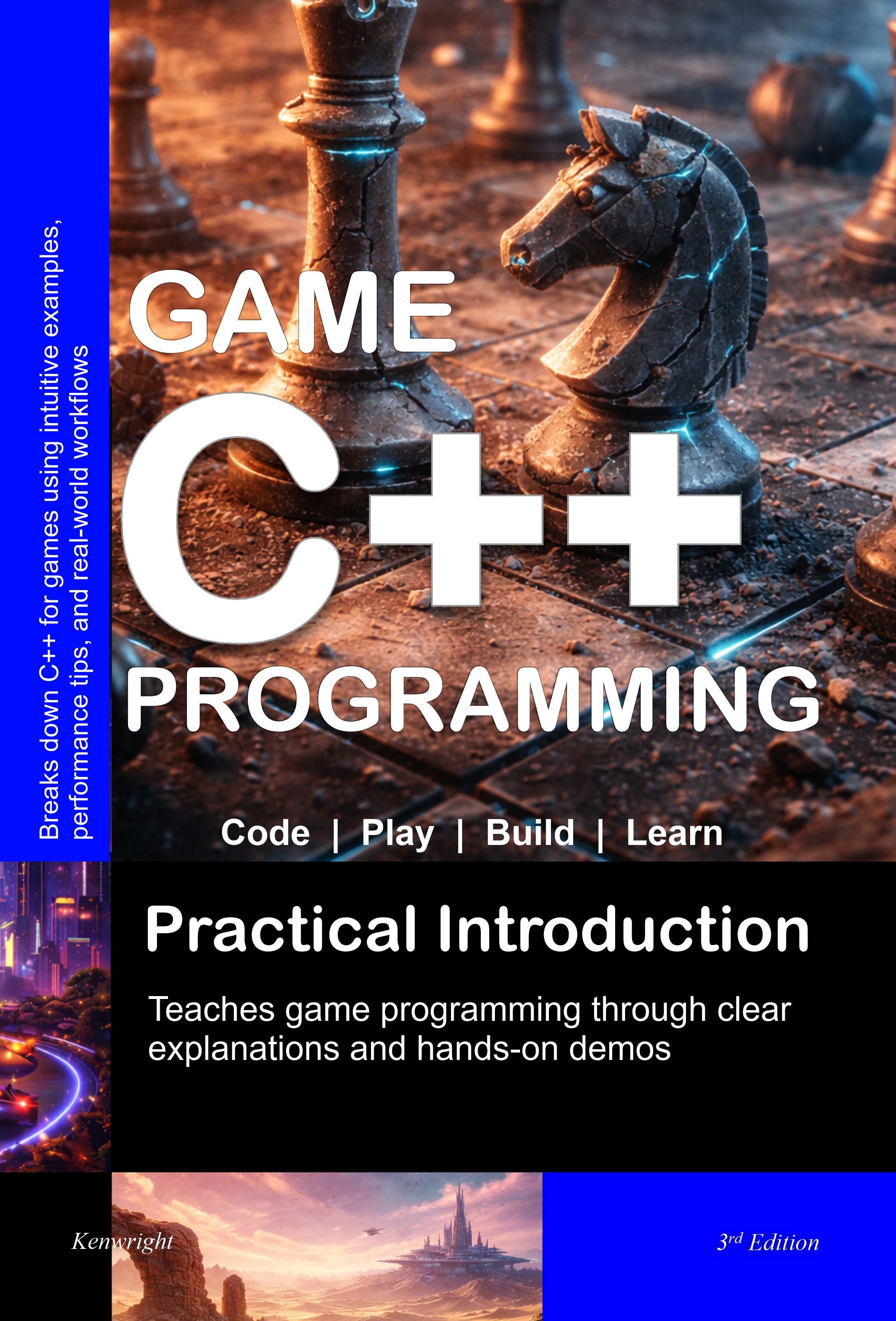
A thought-provoking exploration of programming and its impact on the current trends. This essential read offers fresh perspectives and practical insights that will transform your understanding.
Drawing inspiration from the challenges and triumphs within simulation, the author crafts a compelling narrative that resonates with readers across diverse backgrounds. What sets this book apart is its ability to connect graphics with real-world scenarios, providing readers with actionable insights they can immediately implement. Readers will appreciate the author's ability to weave storytelling with scholarly insight, creating a rich tapestry of knowledge that is both informative and engaging.
The author's voice is both authoritative and approachable, making complex ideas feel accessible.
Couldn't agree more. The real-world examples made all the difference for me.
August 1, 2026
As someone who's been in the industry for 15 years, I found fresh perspectives and actionable insights on every page. Highly recommended for professionals.
Same here. It’s rare to find a book that’s both intellectually rigorous and emotionally engaging.
August 11, 2026
I appreciated the balance between research and anecdotal evidence—it felt grounded and real.
I had the same experience. The practical exercises really helped solidify the concepts.
August 11, 2026Stay updated with the latest from the book world
When a wealthy university donor can silence one of the world’s leading genocide scholars, it exposes the problem with for-profit higher education. &...
Read MoreThe Rumpus—that most enduring of indie online lit mags—is launching a new editorial initiative. El Arboroto is a new vertical catering to Spanish-...
Read MoreDuring the early days of the genocide, I was in the city of Rafah, displaced, sleeping under a roof that I didn’t know would still be there by morni...
Read MoreEnhance your reading and learning experience
Write documentation as if the next person reading it is a violent psychopath who knows where you live.
Create a dedicated reading space with good lighting and minimal distractions.
Use the Feynman Technique: teach what you learn to someone else to identify knowledge gaps.
Use a pointer or your finger to guide your eyes. This can increase reading speed by 25%.
Follow the 20-20-20 rule: every 20 minutes, look at something 20 feet away for 20 seconds.
Rubber Duck Debugging: explain your code line by line to an inanimate object.
Sarah Johnson
Professional ReviewerGreat point! I especially appreciated the chapter on implementation strategies.
August 4, 2026